
Ontario and Quebec Stand Firm Against U.S. Alcohol Imports
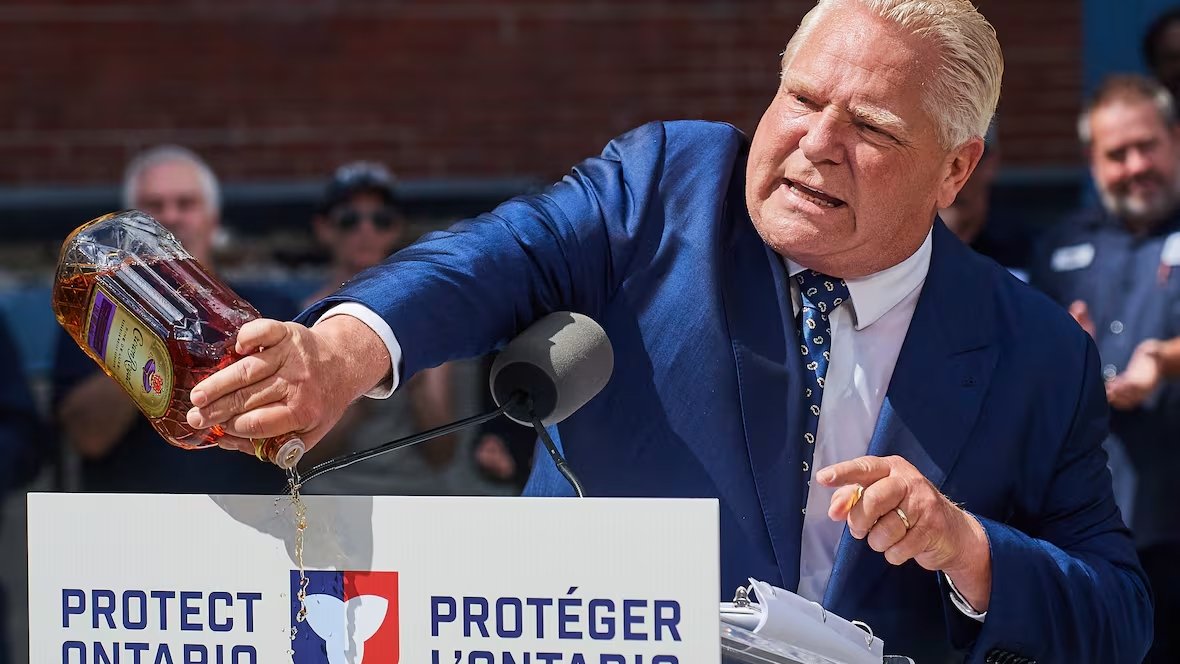

TORONTO — The ongoing trade dispute between Canada and the United States has escalated into a high-stakes standoff over retail shelves, with American lawmakers demanding that Canadian provinces lift restrictions on U.S. alcohol, while provincial leaders refuse to back down until Washington removes its tariffs.
The economic fallout has been swift and severe for the American wine and spirits sectors. According to data from the Wine Institute, exports of U.S. wine to Canada—previously the largest foreign market for American winemakers—crushed under the boycott, collapsing by 78% between 2024 and 2025. The drop represents more than US$357 million in lost export value.
Direct Pressure from Washington
The severe financial strain has drawn sharp rebukes from high-profile U.S. politicians. California Senator Adam Schiff( publicly appealed to Canadian officials to reconsider the restrictions, citing the devastating economic damage inflicted on California wineries. Schiff sent a formal letter to Quebec officials, arguing that blameless producers are paying the price for a broader trade war and that consumers have lost access to hundreds of millions of dollars' worth of American wine.
Capitol Hill is also stepping up legislative pressure. New York Representative Claudia Tenney introduced proposed legislation aimed at launching an official investigation into Canada’s provincial restrictions, arguing they unfairly target American alcoholic beverage producers.
Despite the mounting pressure from Washington, Canada's largest provinces are dug in. Quebec officials stated their position is unchanged, confirming restrictions will remain as long as the U.S. maintains "unjustified" tariffs on Canadian goods.
Ontario Premier Doug Ford echoed the sentiment, making it clear that his government has no plans to reverse course. Ford reiterated that Ontario will not back down while U.S. tariffs remain active, effectively keeping American wine and spirits off the shelves of the Liquor Control Board of Ontario (LCBO).
A Windfall for Canadian Wineries and Distilleries
While American producers suffer, the domestic boycott has triggered an unprecedented sales boom for Canadian alcohol brands. Data from the LCBO shows that sales of Ontario VQA wines jumped 44% over the past year, while overall Canadian alcohol sales rose 18%, signaling a major consumer shift toward buying local.
Individual businesses are experiencing historic growth. Westcott Vineyards, located in Ontario’s Niagara region, reported a staggering 600% increase in sales through the LCBO, alongside a 20% rise in direct-to-consumer winery sales. To cope with the surging demand, the company is actively expanding its vineyards and investing in larger production facilities.
Domestic distilleries are mirroring this success, reporting dramatic spikes in sales for Canadian-made vodka and whisky as shoppers bypass empty American sections for local alternatives.
A Divided Path Forward
The standoff has divided international trade experts. Some analysts defend the provincial governments, arguing that utilizing powerful retail monopolies is a legitimate economic tool to counter U.S. protectionism. Others counter that cross-border trade decisions should be tightly coordinated by Canada's federal government rather than a fragmented patchwork of provincial policies.

Comments
There are 0 comments on this post