
The Hidden Cost of the Commute: How Metrolinx Delays are Reshaping GTA Suburbs
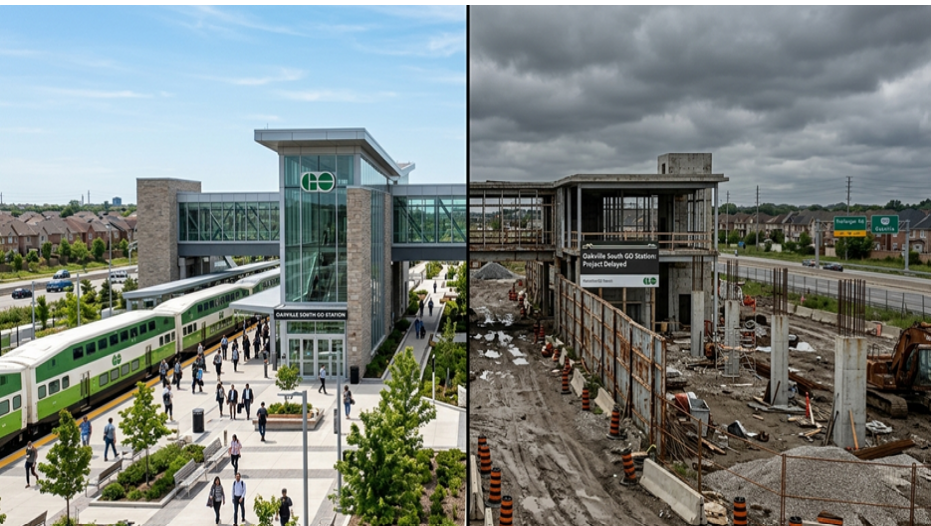
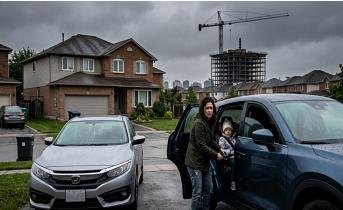
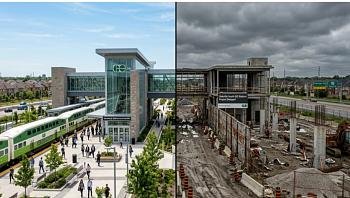

For hundreds of thousands of residents across the Greater Toronto Area (GTA), the promise of suburban life was built on a straightforward compromise: trade the sky-high real estate prices of the downtown core for a longer, but predictable, train or bus ride. But as multi-billion dollar transit expansion projects drag through chronic, multiyear delays that compromise is curdling into a costly crisis. The ongoing construction gridlock is extracting a steep toll on the daily lives, mental health, and financial security of suburban commuters.
The Psychological Toll of the "Gridlock Mindset"
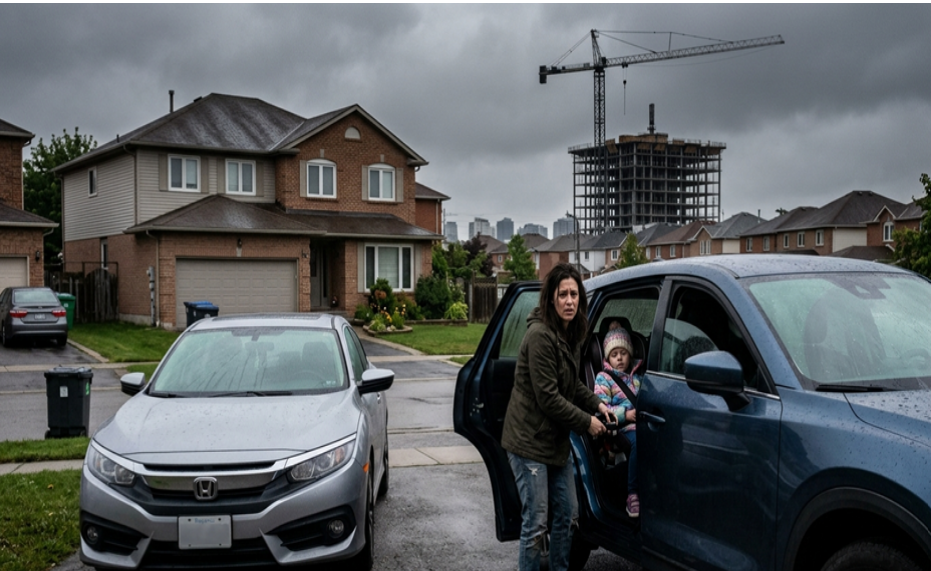
For the modern suburban commuter, a transit delay is not merely a minor inconvenience; it is a structural disruption to family life. The physical and emotional weight of unpredictable travel times creates a chronic state of stress that chips away at overall well-being. Public transit is far more than concrete and steel; it dictates the bounds of human capability within a geographic region.
As Professor Eric J. Miller, Director of the Mobility Network at the University of Toronto, notes, "The ability to travel to our jobs, schools, entertainments and shopping is fundamental to our quality of life and essential to the functioning of the city itself."
When that ability is throttled by multi-year infrastructure delays, suburban residents are forced to make immediate, painful sacrifices slashing hours spent with children, missing medical appointments, and enduring a persistent anxiety regarding work punctuality. This pressure is unevenly distributed across the region. While high-income professionals can occasionally opt for hybrid remote arrangements to bypass the traffic, suburban populations increasingly consist of moderate-income families, shift workers, and service industry employees who must travel physically every day. The lack of reliable rapid transit deepens geographic and economic isolation, turning what was supposed to be an affordable suburban haven into an exhausting structural trap.
The Megaproject Malady: Why Suburbs are Left Waiting
The frustrating reality of GTA transit is that its delays are neither unique nor accidental. They are part of a systemic pattern inherent to modern infrastructure management. The larger and more complex an infrastructure project becomes, the more vulnerable it is to miss deadlines and massive budget overruns. Dr. Matti Siemiatycki, a leading expert on infrastructure planning and director of the Infrastructure Institute at the University of Toronto, points out that these systemic failures are deeply baked into how public works are managed.
"The three main explanations for cost overruns and delays are technical challenges, over-optimism, and strategic misrepresentations," Siemiatycki explains. He notes that a “human tendency to underestimate the costs and time required to complete a project means that megaprojects are well-nigh guaranteed to exceed their budgets and schedules."
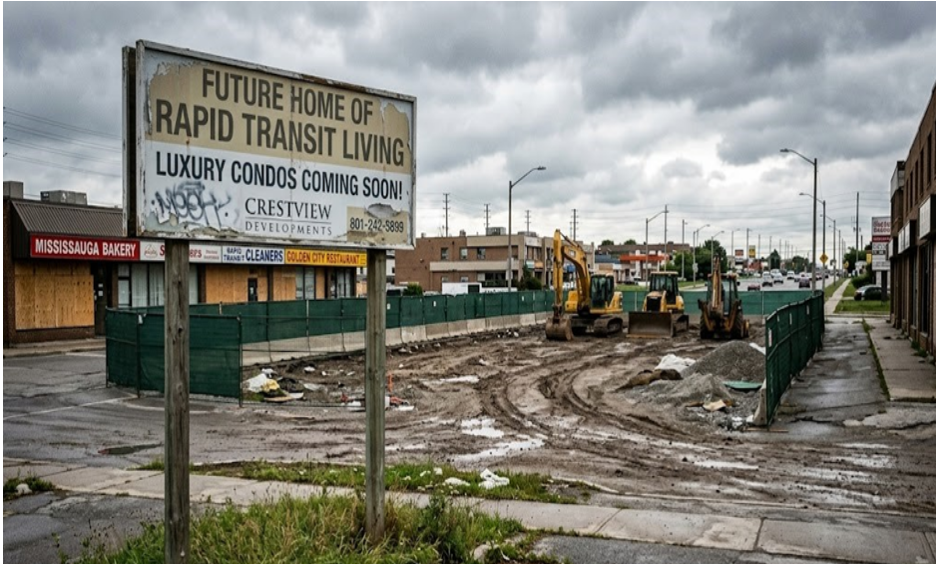
In the GTA, this over-optimism has translated into an infrastructure vacuum. Suburbs have grown exponentially, with high-density condos and subdivisions popping up around designated "Major Transit Station Areas" in anticipation of trains that have yet to arrive. Because planning horizons are repeatedly pushed back, municipal road networks are left to absorb the overflow, causing historic automobile congestion alongside the stalled construction zones.
Shifting Subdivisions: The Real Estate Reversal
The delay in transit delivery is also upending the long-held economic assumptions of GTA real estate. Historically, buying a home near a promised transit line offered a guaranteed return on investment. Speculators and young families alike purchased properties at a premium in places like Mississauga, Brampton, or Richmond Hill, operating under the assumption that rapid transit access would arrive swiftly to safeguard their home equity.
Now, that premium is facing a harsh reality check. While properties directly adjacent to active, functional transit lines continue to hold immense value, those situated along perpetual construction corridors are bearing a different kind of cost. Small business owners buried behind construction hoarding are going bankrupt, reducing the overall liability and economic vitality of suburban main streets. Furthermore, as the commute times to Toronto's core remain stubbornly long and highly erratic, some buyers are reconsidering the suburban migration entirely.
The premium once placed on "future transit access" is eroding, replaced by investor fatigue. Families find themselves paying suburban property taxes while still being forced to maintain two vehicles just to ensure they can get to work on time, an added financial burden that erases the initial cost savings of moving outside the city centre.
Conclusion
Until Metrolinx and provincial oversight authorities implement more rigorous monitoring, better contractor accountability, and realistic delivery forecasting, the true cost of these transit delays will not be measured in government deficits alone. It will continue to be paid daily by suburban residents, calculated in lost wages, fractured peace of mind, and the slow, quiet reshaping of life on the metropolitan periphery.
Ultimately, the hidden cost of the GTA’s transit gridlock cannot be neatly calculated on a government balance sheet or absorbed by a corporate contingency fund. It is measured in the quiet, cumulative depletion of suburban life in the thousands of hours lost to gridlock, the economic strain placed on working families, and the gradual erosion of trust between citizens and public institutions.

Comments
There are 0 comments on this post